Walk into any gym and you'll see two types of lifters: those who walk up to the squat rack and immediately load their working weight, and those who spend 10 minutes methodically building up to it. The second group gets injured far less often and usually lifts heavier over the long run. Warm-up sets aren't just a formality — they're a performance tool.
What Are Warm-Up Sets?
Warm-up sets are lighter sets performed before your working sets (the sets that actually count toward your training volume). Their purpose is threefold: increase blood flow and temperature in the target muscles, prepare your joints and connective tissues for heavier loads, and prime your nervous system to recruit muscle fibers efficiently.
The Two-Phase Warm-Up
An effective warm-up has two components. The general warm-up comes first: 5 minutes of light cardio (walking, cycling, or rowing) followed by dynamic stretches targeting the muscles you'll train. This raises your core body temperature and gets blood flowing.
The specific warm-up follows: progressive sets with the exercise you're about to perform, starting light and gradually approaching your working weight. This is where warm-up sets live.
How to Structure Your Warm-Up Sets
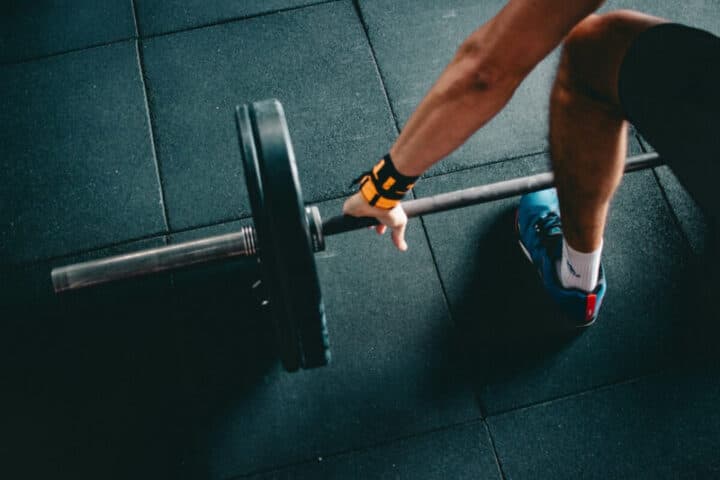
If your working weight for bench press is 200 lbs, here's a practical warm-up ladder:
Set 1: Empty bar (45 lbs) for 15 reps — establish the movement pattern and increase blood flow.
Set 2: 95 lbs (~50% working weight) for 8 reps — start engaging the target muscles more actively.
Set 3: 135 lbs (~70% working weight) for 5 reps — the weight starts feeling real. Focus on technique.
Set 4: 175 lbs (~85-90% working weight) for 2-3 reps — prime your nervous system for heavy effort without creating fatigue.
Keep rest periods brief between warm-up sets — 45-60 seconds is sufficient. You want to stay warm without fatiguing yourself before the real work begins.
When Are Warm-Up Sets Necessary?
Always perform dedicated warm-up sets for the first exercise of your workout and for any exercise where you're using significantly heavier loads than previous exercises. If you just finished heavy bench pressing and move to overhead dumbbell presses with moderate weight, 1-2 light sets are sufficient since your shoulders are already warm.
For exercises later in the workout that use lighter loads (lateral raises, curls, etc.), warm-up sets are typically unnecessary — those muscles have been working as synergists throughout the session.
Warm-Up Sets for Bodyweight Exercises
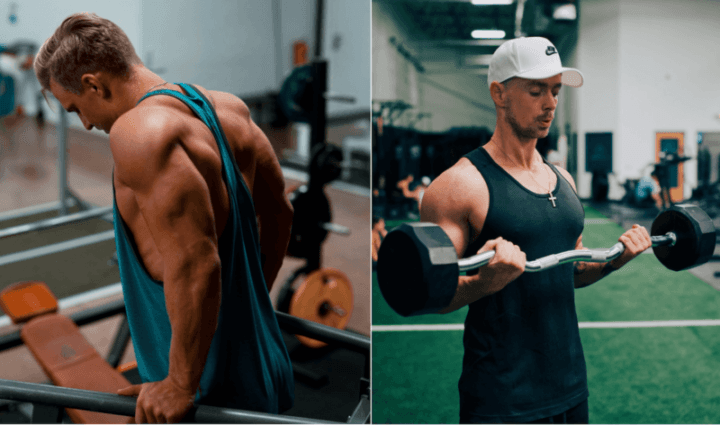
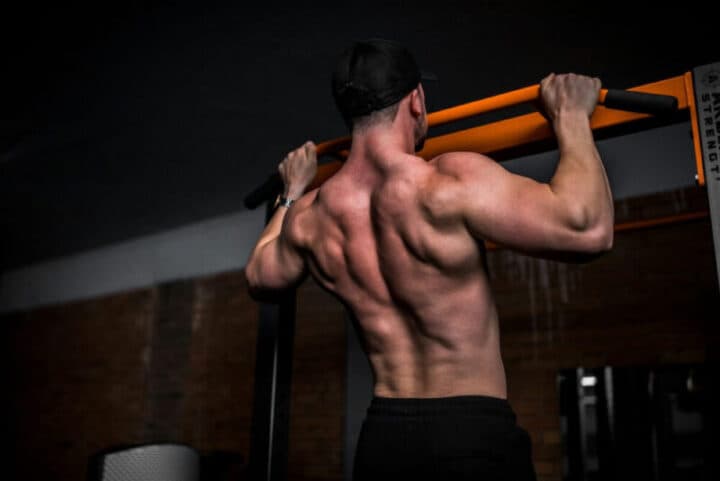
Don't think you're off the hook if you're doing pull-ups or dips. Perform easier variations first. Before heavy pull-ups, do a set of band-assisted pull-ups or simply hang from the bar for 15-20 seconds. Before dips, do a set of push-ups to warm the shoulders and triceps.
Common Warm-Up Mistakes
Doing too many reps: Warm-up sets should prepare you, not tire you. Keep reps moderate and decrease them as weight increases.
Skipping the general warm-up: Jumping straight into barbell work with cold muscles is a recipe for strains and joint discomfort.
Resting too long: Warm-up sets are meant to be brisk. Long rest periods let your muscles cool down and defeat the purpose.
Counting warm-up volume toward your training total: Warm-up sets don't count as training volume. They're preparation, not stimulus.
Warm-Up Tracking in FitWit AI
FitWit AI distinguishes between warm-up sets and working sets in your training log. This means your volume tracking stays accurate, and your progressive overload calculations are based only on the sets that matter. The app can also suggest warm-up protocols based on your working weights.