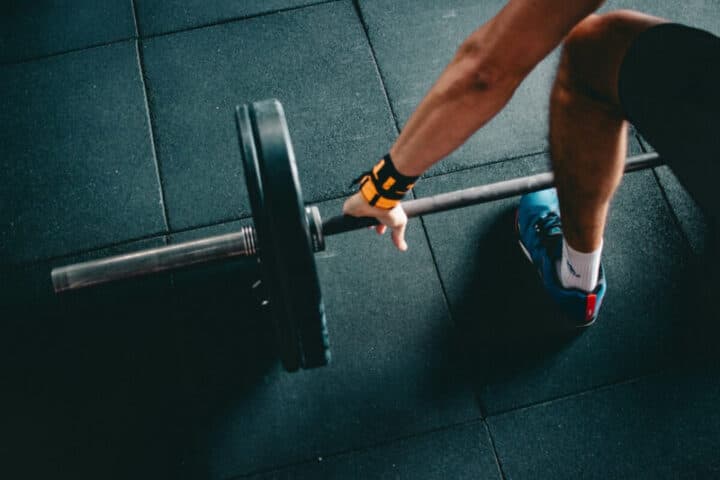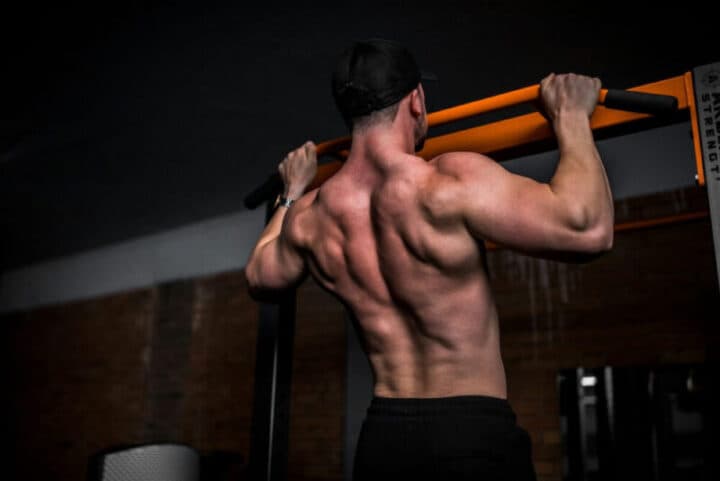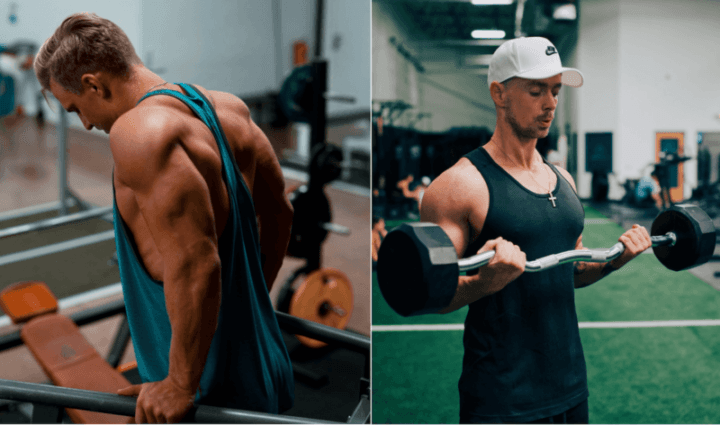
If you've ever felt like you spend more time resting between sets than actually lifting, supersets might be the solution. By pairing two exercises back-to-back with minimal rest, you can accomplish the same training volume in significantly less time — all while adding a cardiovascular challenge to your strength work.
What Exactly Is a Superset?
A superset is performing two exercises consecutively with little or no rest between them. You complete one set of Exercise A, immediately move to Exercise B, then rest before repeating. The magic is in the pairing — different superset types serve different purposes, and choosing the right combination determines whether you're saving time, building more muscle, or both.
Type 1: Antagonist Supersets (Opposing Muscles)
This is the gold standard of supersetting. You pair exercises that target opposing muscle groups: bicep curls with tricep extensions, bench press with rows, leg extensions with leg curls. While one muscle works, the other rests, meaning performance on neither exercise is significantly compromised. Research even suggests that training antagonist muscles first can slightly increase force production in the second exercise.
Type 2: Agonist Supersets (Same Muscle Group)
Pair two exercises that target the same muscle group: flat bench press followed by dumbbell flyes, or squats followed by leg extensions. This approach creates intense metabolic stress and a massive pump, but be warned — your performance on the second exercise will drop significantly. Best used strategically on muscles you want to prioritize.
Type 3: Upper/Lower Supersets
Combine an upper body movement with a lower body movement: overhead press with lunges, pull-ups with leg curls. Since the working muscles are far apart, fatigue transfer is minimal. This is excellent for full body training days when time is limited.
Type 4: Pre-Exhaustion Supersets
Start with an isolation exercise, then immediately perform a compound movement for the same muscle group. Example: leg extensions before squats, or pec flyes before bench press. The isolation exercise fatigues the target muscle so that it becomes the limiting factor during the compound movement, increasing its activation. This is an advanced technique best used by lifters who struggle to feel their target muscles working during compound lifts.
Type 5: Post-Exhaustion Supersets
The reverse of pre-exhaustion: compound movement first, isolation exercise second. Bench press into pec flyes, or rows into rear delt flyes. After the compound movement pre-fatigues the target muscle, the isolation exercise delivers a finishing blow. This is the more common and arguably safer approach compared to pre-exhaustion.
Benefits of Supersetting
Time efficiency: You can complete the same volume in roughly 30-40% less time by eliminating rest periods between non-competing exercises.
Elevated heart rate: The reduced rest keeps your heart rate elevated, adding a mild cardiovascular component to strength training. This can improve conditioning and increase calorie expenditure.
Training variety: Supersets break up the monotony of traditional straight-set training and can make workouts more engaging and fun.
When to Avoid Supersets
Skip supersets when performing very heavy compound lifts where maximum strength output is the goal. Heavy squats at 90%+ of your max need full rest to maintain performance and safety. Similarly, if you're new to training, master each exercise individually before combining them.
Superset Programming with FitWit AI
FitWit AI lets you build superset pairings directly within your workout plan and tracks both exercises as a linked unit. The app intelligently suggests pairings based on your selected exercises and ensures your rest periods are optimized for the superset type you're performing.