What you eat before training directly impacts your performance. Train on an empty stomach and you'll fade halfway through your session. Eat the wrong thing and you'll feel sluggish and bloated. Get it right and you'll have sustained energy, better focus, and stronger lifts.
The Two Key Nutrients: Carbs and Protein
Your pre-workout meal should prioritize carbohydrates and moderate protein, with relatively low fat and fiber. Here's why:
Carbohydrates are your muscles' preferred fuel source during intense training. They top off glycogen stores—the energy reserves in your muscles that power every rep. Low glycogen means early fatigue, reduced power output, and worse performance.
Protein before training kickstarts muscle protein synthesis so your body is already in repair mode when you finish. It also provides amino acids that reduce muscle breakdown during the session.
Fat and fiber slow digestion. That's great for general meals, but not ideal when you need energy available quickly. Keep them low in your pre-workout meal.
Timing Your Pre-Workout Meal
2–3 hours before training: Eat a full meal with complex carbs and protein. Example: chicken breast with rice and a small salad. This gives your body time to digest and convert food into usable energy.
60–90 minutes before training: Eat a moderate snack focused on faster-digesting carbs and protein. Example: a banana with a protein shake, or toast with peanut butter.
30 minutes before training: If you must eat close to your session, keep it small and simple. A piece of fruit, a few rice cakes, or a small sports drink. Anything heavy will sit in your stomach.
Training fasted: Some people prefer to train on an empty stomach, especially for morning sessions. This is fine for moderate-intensity work, but for heavy lifting or high-volume training, you'll likely perform better with fuel on board.
Best Pre-Workout Meals (2–3 Hours Before)
Oatmeal with banana and whey protein. Slow-digesting oats provide sustained energy, the banana adds quick-acting carbs, and whey covers your protein needs. This is arguably the best all-around pre-workout meal.
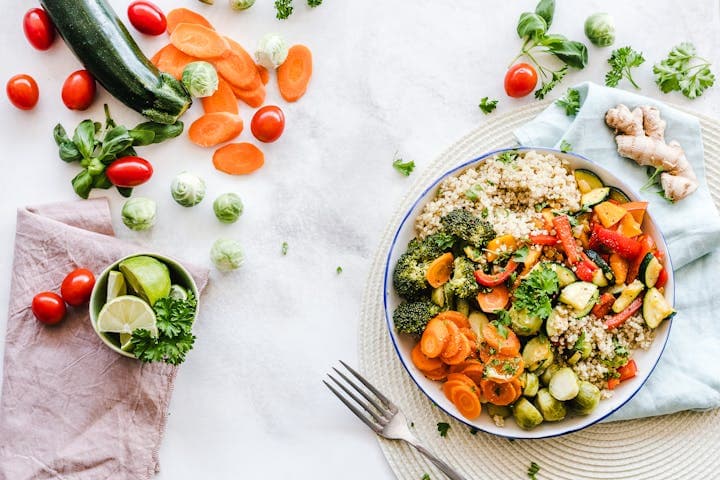
Rice with chicken and light vegetables. A classic for a reason. White rice digests quickly, chicken provides clean protein, and a small portion of veggies adds micronutrients without excess fiber.
Pasta with lean meat sauce. Pasta is an excellent carb source that's easy on the stomach. Keep the sauce light—avoid heavy cream-based options.
Best Pre-Workout Snacks (60–90 Minutes Before)
Banana + protein shake. Fast, simple, and effective. The banana provides quick energy while the shake covers your protein base.
Rice cakes with honey and a boiled egg. Light on the stomach but energy-dense. The honey provides instant glucose.
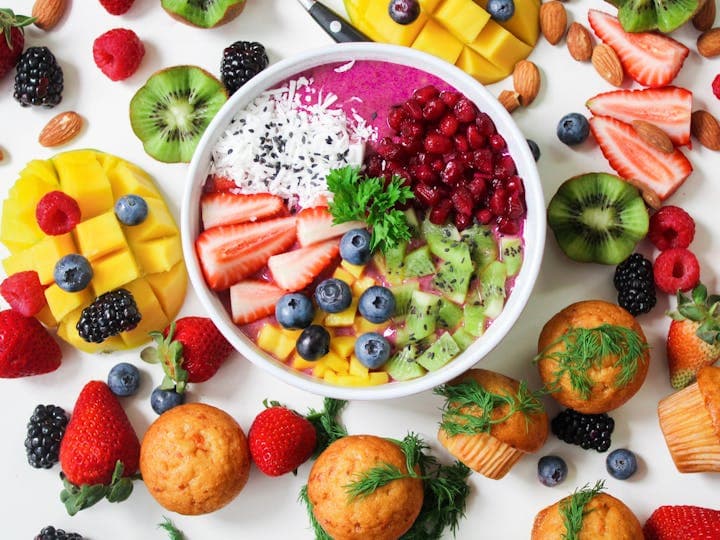
Greek yogurt with granola. The yogurt adds protein and the granola provides easily accessible carbs.
What to Avoid Before Training
High-fat meals: A burger or pizza takes 3–4 hours to digest. Training with undigested fat in your stomach leads to nausea and sluggishness.
High-fiber meals: A massive salad or bean-heavy dish before training can cause bloating and gastrointestinal discomfort mid-set.
Excessive dairy: Some people handle dairy fine, but many experience bloating or cramping when training after consuming large amounts of milk or cheese.
New or unfamiliar foods: The day you try a new exotic dish is not the day to test it before a heavy deadlift session. Stick with foods you know your stomach handles well.
Do You Need a Pre-Workout Supplement?
Pre-workout supplements mainly provide caffeine (150–300mg), which genuinely improves performance—better focus, more energy, and slightly higher power output. If you already drink coffee, you're getting the primary benefit.
The other common ingredients (beta-alanine, citrulline) have some research support but offer marginal benefits compared to simply eating well and sleeping enough. A cup of coffee 30 minutes before training is a perfectly effective (and much cheaper) pre-workout.