The fitness industry has turned pre- and post-workout nutrition into a science experiment. Eat exactly 47 grams of fast-digesting carbs with 30 grams of whey isolate within 23 minutes of your last set, or your gains evaporate. In reality, workout nutrition is far simpler than supplement companies want you to believe — but it does matter, and getting the basics right can meaningfully improve your performance and recovery.
The Science of Nutrient Timing
Nutrient timing refers to the strategic consumption of specific macronutrients around your training sessions to optimize performance, recovery, and adaptation. The concept gained popularity in the early 2000s when researchers like John Ivy published studies showing enhanced glycogen resynthesis when carbohydrates were consumed immediately after exercise. While subsequent research has tempered some of the original claims, the core principle remains valid: what you eat around your workouts matters, even if the windows are wider and the rules more flexible than originally advertised.
The Pre-Workout Window
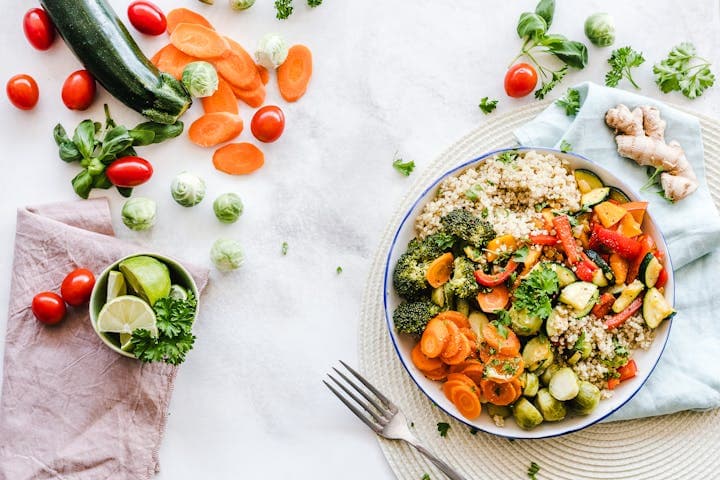
Eating 1 to 3 hours before training gives your body the fuel it needs to perform. The primary goal of a pre-workout meal is to top off glycogen stores (your muscles' preferred fuel source during resistance training) and provide circulating amino acids to minimize muscle breakdown during the session. You don't need a special pre-workout meal — any balanced meal containing protein and carbohydrates works.
What to Eat Before Training
2-3 hours before: A full meal works well. Think chicken breast with rice and vegetables, a turkey sandwich, or oatmeal with protein powder and fruit. Aim for 25-40g protein and 40-80g carbs, with moderate fat. The larger time buffer allows for full digestion.
30-60 minutes before: Keep it lighter and lower in fat and fiber to avoid GI discomfort. A banana with a protein shake, a rice cake with peanut butter, or a small bowl of cereal with milk are all solid options. Aim for 20-30g protein and 30-50g of easily digestible carbs.
Pre-Workout Meals by Training Type
Different training sessions benefit from different fueling strategies. For a heavy strength session (squats, deadlifts, bench press at high intensity), prioritize a larger carb load 2-3 hours beforehand — glycogen demand is high during compound lifts at 80-95% of your max. Target 50-80g of carbs with 30-40g of protein. For a hypertrophy-focused session (moderate weight, higher reps, more volume), a moderate pre-workout meal works well — 40-60g carbs with 25-35g protein. For a conditioning or HIIT workout, keep the pre-workout meal lighter and easily digestible to avoid nausea during high-intensity intervals — 30-40g of fast-digesting carbs like a banana or white rice with 20g of protein from a shake is sufficient.
The Post-Workout Window
The so-called 'anabolic window' — the idea that you must eat protein immediately after training or lose your gains — has been significantly overstated. A comprehensive meta-analysis by Schoenfeld and colleagues found that total daily protein intake matters far more than the specific timing of post-workout consumption. That said, eating a protein-rich meal within 2 hours of training is still a reasonable practice, especially if you trained in a fasted or semi-fasted state.
What to Eat After Training
Your post-workout priorities are protein for muscle repair and carbohydrates to replenish glycogen. A post-workout meal containing 30-50g of protein and 50-100g of carbohydrates covers both needs effectively. Good options include a protein shake with a banana, grilled chicken with rice, or a burrito bowl with lean meat and beans. Fat doesn't need to be avoided post-workout — it slows digestion slightly but doesn't impair nutrient absorption.
Specific Post-Workout Meal Examples with Macros
Here are five post-workout meals with full macro breakdowns to take the guesswork out of recovery nutrition. Option 1 — The Quick Shake: 1 scoop whey protein, 1 large banana, 300ml milk, 1 tbsp honey. Total: 420 cal, 35g protein, 62g carbs, 6g fat. Ready in 60 seconds. Option 2 — Chicken Rice Bowl: 200g chicken breast, 200g cooked white rice, steamed broccoli, soy sauce. Total: 580 cal, 58g protein, 60g carbs, 8g fat. Ideal from meal prep containers. Option 3 — Eggs and Toast: 4 whole eggs scrambled, 2 slices sourdough toast, 1 tbsp butter, a glass of orange juice. Total: 620 cal, 32g protein, 55g carbs, 28g fat. Perfect for early-morning trainers heading home for breakfast. Option 4 — Tuna Pasta: 1 can tuna, 100g dry pasta (cooked), cherry tomatoes, olive oil, lemon. Total: 560 cal, 42g protein, 68g carbs, 10g fat. Simple pantry staples, ready in 15 minutes. Option 5 — Greek Yogurt Parfait: 250g Greek yogurt, 50g granola, mixed berries, 1 scoop whey. Total: 480 cal, 52g protein, 50g carbs, 8g fat. No cooking required.
Hydration: The Overlooked Performance Factor
Nutrition gets the attention, but hydration has a larger acute impact on workout performance. A 2% loss in body weight from dehydration can reduce strength output by 10-15% and endurance capacity by up to 20%. For a 180-pound lifter, that 2% threshold is just 3.6 pounds of water — easily lost during a 60-90 minute training session in a warm gym. Drink 16-20 ounces of water in the two hours before training, sip 4-8 ounces every 15-20 minutes during the session, and replenish with 16-24 ounces for every pound of body weight lost during training. For sessions under 60 minutes, water is sufficient. For longer sessions or intense conditioning work, an electrolyte drink containing sodium, potassium, and a small amount of carbohydrate helps maintain performance.
Supplements: What Actually Helps
Most pre-workout supplements are overhyped and underdosed, but a few ingredients have robust scientific support. Caffeine (3-6mg per kilogram of body weight, consumed 30-60 minutes before training) is the most well-researched performance enhancer, improving strength, endurance, and focus. Creatine monohydrate (3-5g daily, timing does not matter) increases phosphocreatine stores and improves performance on short, high-intensity efforts. Beyond these two, the evidence thins rapidly. Beta-alanine may help with higher-rep sets by buffering lactic acid, and citrulline malate (6-8g) shows modest benefits for blood flow and rep performance. Everything else in your pre-workout formula — the proprietary blends, the exotic-sounding compounds — is mostly marketing.
Fasted Training Considerations
If you train first thing in the morning without eating, post-workout nutrition becomes more important. Your body has been fasting for 8-10 hours, and muscle protein breakdown rates are elevated during fasted exercise. In this scenario, prioritize getting a protein-rich meal within an hour of finishing your session. Even something as simple as a protein shake on the drive home bridges the gap until you can eat a full meal.
If you prefer fasted training but want to minimize muscle protein breakdown during the session, consider taking 10g of essential amino acids (EAAs) or 5g of BCAAs before your workout. This provides circulating amino acids to protect against catabolism without significantly breaking your fast or causing the GI discomfort that a full meal might. It is a practical compromise for people who feel sluggish training on a full stomach but want to protect their hard-earned muscle.
Meal Ideas That Fit Your Day
The best pre- and post-workout meals are ones you'll actually eat consistently. FitWit AI's AI Chef can generate meal ideas that fit your training schedule and macro targets. Tell it you train at 6 AM and need a quick pre-workout option, and it'll suggest something practical — not a gourmet recipe that requires 30 minutes of prep at 5:30 in the morning. Tell it you just finished legs and need to refuel, and it'll factor in your remaining daily macros.
The Bigger Picture
Pre- and post-workout nutrition accounts for maybe 10-15% of your results. The other 85-90% comes from your total daily calorie and protein intake, your training program, your sleep quality, and your consistency over months and years. Get the basics right — eat a balanced meal before training, eat a protein-rich meal after — and don't stress about the minutiae.
A useful mental framework: nail the fundamentals first (total calories, total protein, training consistency), then optimize the details (nutrient timing, meal composition, supplementation) once the fundamentals are locked in. Optimizing pre-workout carb timing while your total daily protein intake is 40 grams below target is like adjusting your side mirrors before you have learned to steer. Get the big rocks in place, then fine-tune.
Ready to Eat Smarter?
FitWit AI takes the guesswork out of workout nutrition. With personalized macro targets that adjust based on your training days, Snap & Log for effortless meal tracking, and AI Chef for on-demand meal ideas, your nutrition plan works as hard as you do. Whether you train fasted at dawn or fueled in the evening, FitWit AI adapts to your schedule and helps you dial in the meals that matter most. Download FitWit AI and fuel your training the smart way.