Calisthenics proves that the most effective piece of gym equipment is the one you were born with — your body. From push-ups and pull-ups to advanced movements like muscle-ups and planche holds, bodyweight training builds functional strength, impressive muscle, and athletic ability that translates to every aspect of life.
The Foundation Movements
Every calisthenics program is built on five fundamental movement patterns. Master these before progressing to advanced variations.
Push (Horizontal): Push-ups and their variations — from standard to diamond to pseudo-planche. These build chest, shoulders, and triceps.
Push (Vertical): Pike push-ups progressing to handstand push-ups. Develops overhead pressing strength and shoulder mass.
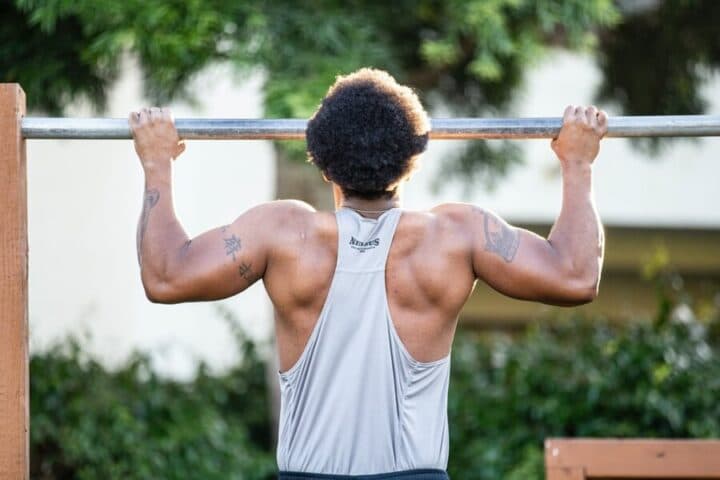
Pull (Vertical): Pull-ups and chin-ups. The single best upper body exercise in calisthenics for building lats and biceps.
Pull (Horizontal): Inverted rows progressing to front lever rows. Builds mid-back thickness.
Squat/Hinge: Bodyweight squats progressing to pistol squats and single-leg Romanian deadlifts. Develops lower body strength and balance.
Beginner Calisthenics Routine (3x per week)
Pull-Ups or Negatives (3x5-8): If you can't do a full pull-up, do slow negatives (jump to the top, lower slowly over 5 seconds).
Push-Ups (3x10-15): Standard push-ups with strict form. Chest touches the floor on every rep.
Bodyweight Squats (3x15-20): Full depth, controlled tempo.
Dips or Bench Dips (3x8-12): Parallel bar dips if available, bench dips if not.
Plank Hold (3x30-60 seconds): Core stability foundation.
Progression is Everything
In calisthenics, progressive overload means progressing to harder exercise variations rather than adding weight. The progression chain for push-ups might be: knee push-ups → standard → diamond → decline → pseudo-planche → one-arm push-up. Each step represents a significant increase in difficulty.
Track Calisthenics with FitWit AI
FitWit AI tracks your calisthenics progressions and tells you when you've mastered a variation and should progress to the next level. It logs bodyweight movements just like weighted exercises, ensuring your training is structured and progressive.