Pulling exercises form the foundation of a balanced training program. They develop the muscles you can't see in the mirror — lats, rhomboids, traps, rear delts — and counterbalance all the pressing work that dominates most people's training. A strong pull means a healthy spine, good posture, and an impressive back.
Vertical Pull Exercises
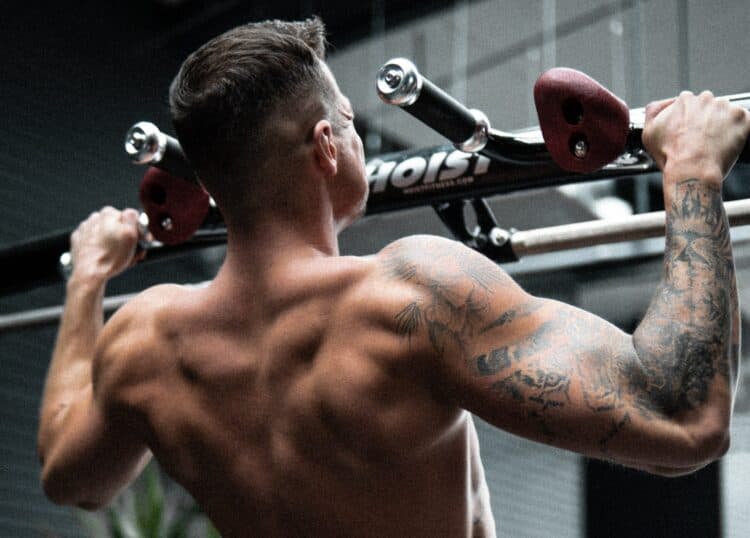
Pull-Ups (4x6-10): The king of vertical pulling. Overhand grip, full range of motion from dead hang to chin over bar. Builds lat width and bicep strength.
Chin-Ups (3x8-10): Underhand grip shifts more emphasis to the biceps while still developing the lats. Most people are stronger on chin-ups than pull-ups.
Lat Pulldowns (3x10-12): The machine alternative to pull-ups. Excellent for accumulating lat volume and for lifters who can't do enough pull-ups for productive sets.
Horizontal Pull Exercises
Barbell Rows (4x6-8): The primary horizontal pulling movement. Builds overall back thickness and pairs perfectly with the bench press.
Seated Cable Rows (3x10-12): Controlled movement with constant tension. Great for mid-back development and building the mind-muscle connection with your back.
Dumbbell Rows (3x10-12 each): Unilateral work that allows full scapular movement and corrects strength imbalances between sides.
Face Pulls (3x15-20): Upper back and rear delt work that's essential for shoulder health. Should be in every program regardless of your training split.
Programming Pulling Movements
Balance your push-to-pull ratio: Aim for at least a 1:1 ratio of pushing to pulling volume. If you bench press 12 sets per week, you should row at least 12 sets per week.
Include both planes: Vertical pulls (pull-ups) build width. Horizontal pulls (rows) build thickness. Include both for complete back development.
Pull Exercise Programming on FitWit AI
FitWit AI automatically balances your push and pull volumes across your training week. It ensures you're doing enough pulling to counterbalance your pressing work and maintain healthy shoulders.