Back and biceps is one of the most satisfying muscle pairings to train. Your biceps are already working as secondary movers during every back exercise, so finishing them off with direct curls after your pulling work is logical and efficient. A well-structured pull day builds the width and thickness that defines a strong, athletic physique.
The Pull Day Workout
Barbell Rows (4x6-8): Your heavy compound movement. Pull to your lower chest, squeeze your shoulder blades together, and control the negative. This builds overall back thickness.
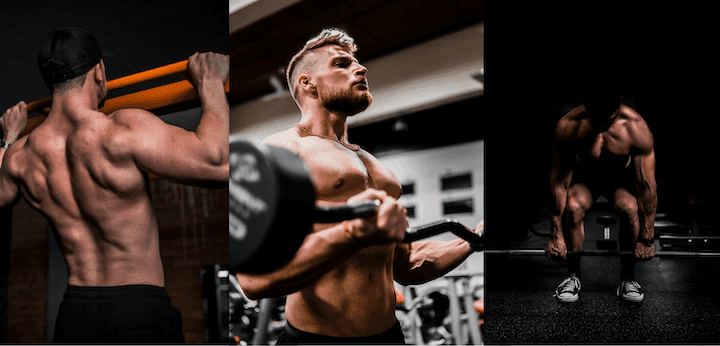
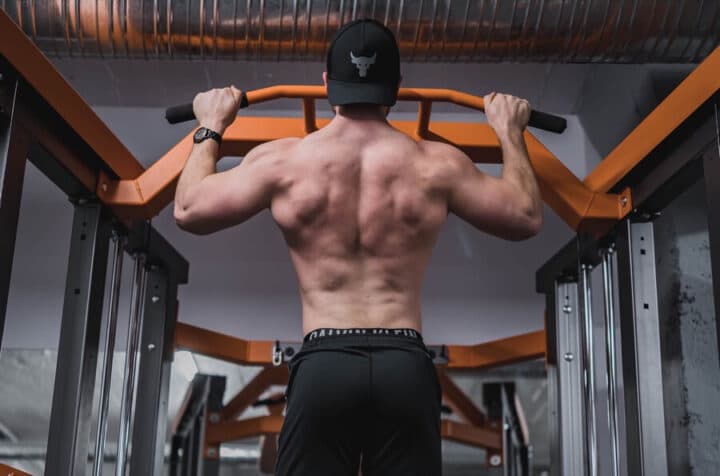
Weighted Pull-Ups (4x6-8): The single best exercise for lat width. If you can't do weighted pull-ups yet, use bodyweight or bands. If bodyweight is easy, add weight via a belt or dumbbell between your feet.
Seated Cable Rows (3x10-12): A mid-back builder that complements the vertical pulling of pull-ups. Use a V-handle for a neutral grip.
Dumbbell Rows (3x10-12 each): Single-arm work corrects imbalances and allows a greater range of motion than barbell rows.
Face Pulls (3x15-20): Rear delts and upper back. Essential for shoulder health and posture.
Barbell Curls (3x8-10): After your back is fried, your biceps are pre-fatigued. Heavy barbell curls finish the job.
Incline Dumbbell Curls (3x10-12): The incline stretches the long head of the bicep at the bottom of the movement, creating a powerful growth stimulus.
Back Training Principles
Pull with your elbows, not your hands: Think of your hands as hooks. Initiate every pulling movement by driving your elbows back. This shifts the emphasis from your arms to your back.
Use full range of motion: Partial-range rows and pull-ups leave growth on the table. Stretch at the bottom, squeeze at the top.
Train both planes: Include both horizontal pulls (rows) and vertical pulls (pull-ups/pulldowns) for complete back development.
FitWit AI Pull Day Programming
FitWit AI structures your pull day to balance width-building and thickness-building movements. It tracks your pulling volume separately from your bicep volume to ensure neither muscle group is under or overtrained.